Choosing Between Mitered and Laminated Edges
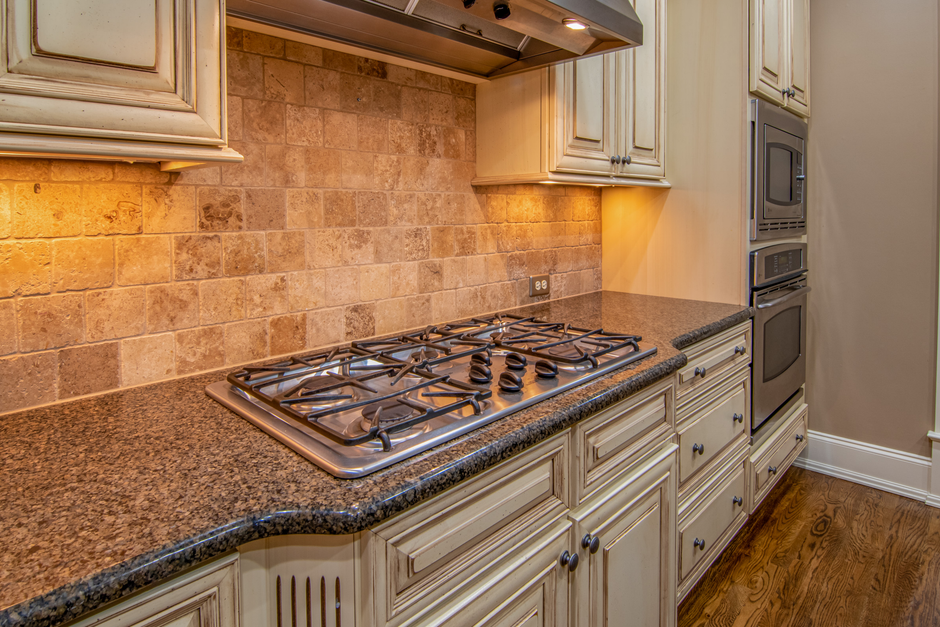
Stand at the end of a finished island and look at the edge from the side, because that is where the two methods show their difference. For custom countertop work in Temecula, CA, the breakdown sitting on custom countertop installation temecula utah baby watch lists each edge build in order, from a plain eased edge up to a mitered waterfall.
What an edge profile is
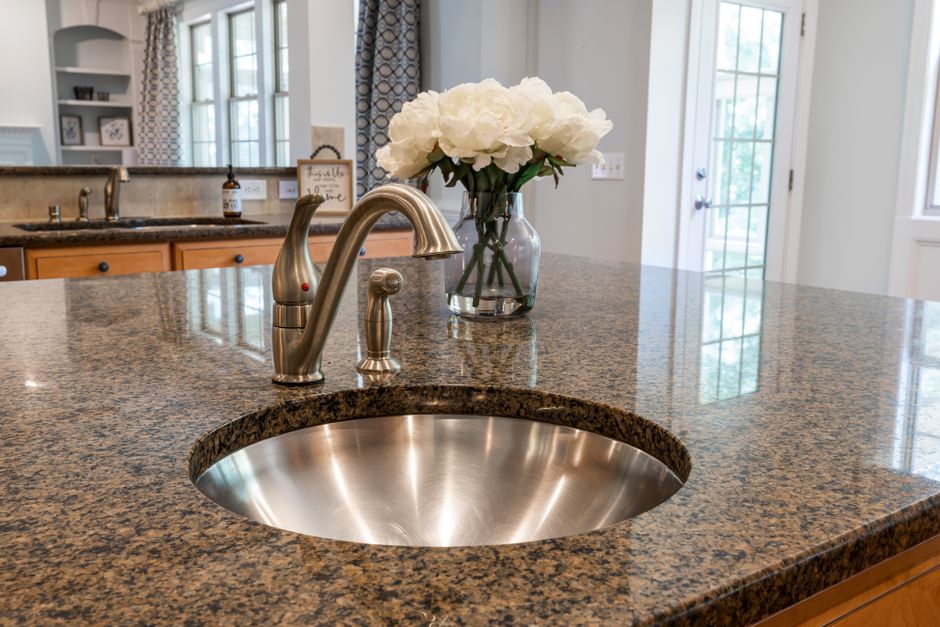
The edge profile is the shape of the top's outer rim. An eased edge only softens the sharp corner. A bullnose rounds the whole front. Ogee, bevel and squared profiles each carry more shop time. Quartz, granite and porcelain cut cleanly with a router head and a polishing sequence, while soapstone and marble are softer and chip under a rough pass.
The laminated edge
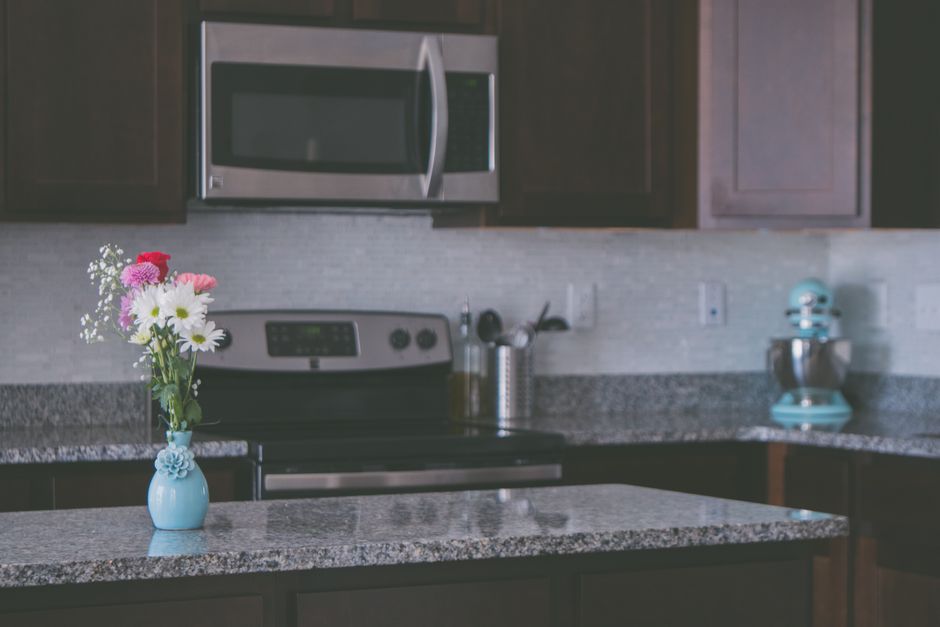
A laminated edge is a thicker look made by gluing a second strip of stone under the front of a two centimeter slab. The strip is cut from the same material, glued with epoxy and clamped, then the combined thickness is shaped and polished. Done well, the joint line is a hair thin. Done badly, the line shows as a stripe where the grain steps.
The mitered edge
A mitered edge is cut at a forty-five degree angle on both the top and the drop piece, so the two pieces meet at a corner with the pattern wrapping around. This is how a waterfall edge on an island is made. The cut must be exact, and the vein has to flow over the corner, so the pieces come from the same slab, in order.
Where each one fits
A laminated edge suits a standard kitchen run and a thick, heavy look. A mitered edge suits a waterfall end, a floating bar or a clean modern corner. On a veined slab from a slab yard, the mitered corner looks continuous, while a laminated front may break the vein into bands. On a plain quartz, either looks about the same.
What the shop does differently
A laminated edge is built flat on the table, then profiled by a CNC router or a hand tool. A mitered piece is cut on a bridge saw or a waterjet cutting table with the angle set from the digital template, then dry fitted before any epoxy goes on. Mitered work takes longer, uses more of the slab, and leaves a seam at the corner that has to be made tight.
Check the sample against the finished edge
A small sample overstates the edge. Look at a full sized sample piece if the shop has one, and ask which profile the sample shows. Overhang and sink cutout dimensions both change with thickness, so settle the edge before the template is finalized.