Where Seams Land on Long Kitchen Runs
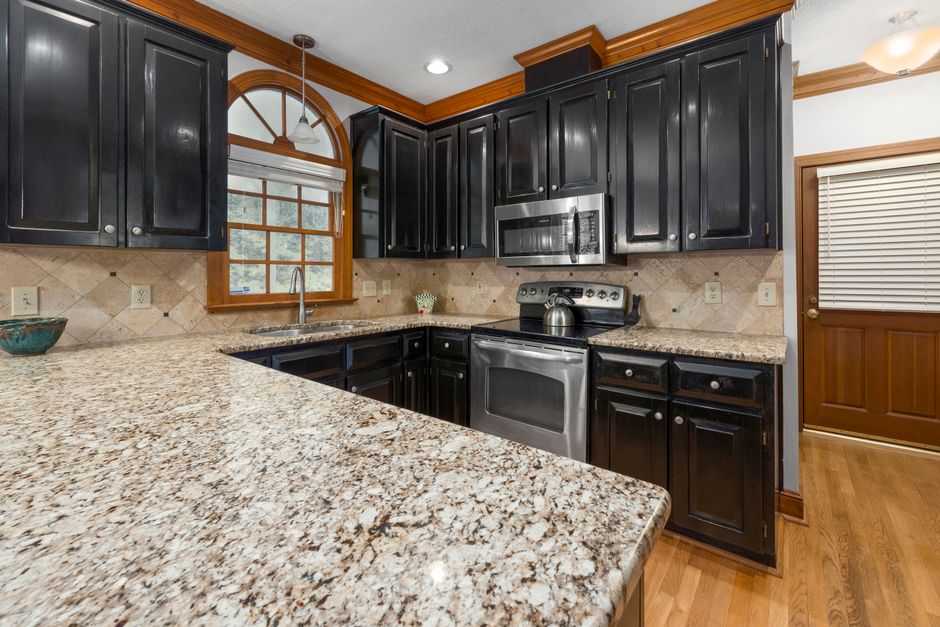
A seam never crosses an unsupported span, and it never lands where a cutout weakens the stone. On a long countertop in Temecula, CA, the running record custom countertop installation temecula utah baby watch holds shows the same pattern: slab length forces the joint, and the layout decides whether anyone ever notices it.
Why a seam exists at all

A granite or quartz slab comes out of the quarry at a fixed size, and the usable stretch after trimming is shorter than the raw slab. A run longer than that, or an L shape that cannot be cut from one piece without waste, needs a joint. Quartzite and marble are no different. The seam is a fabrication fact, not a flaw.
Keep joints away from the sink and cooktop
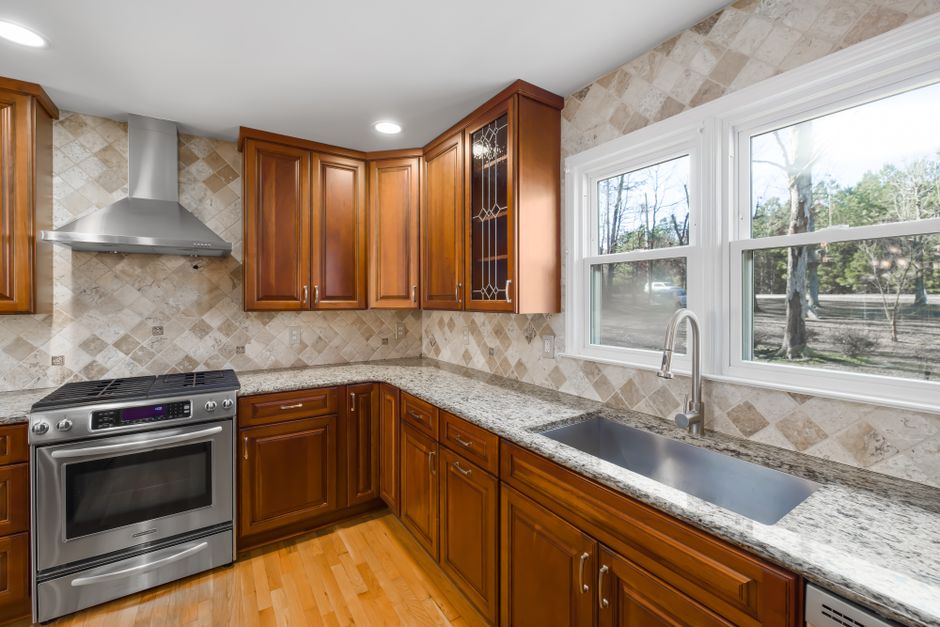
The narrow strip of stone beside an undermount sink cutout is the weakest part of the top. A seam placed near it asks that strip to carry the load of a pot, a leaning elbow and a settling cabinet at once. Good seam placement puts the joint in the middle of a solid stretch, a few inches clear of the sink cutout and well away from a cooktop opening.
Where support has to be
Every seam needs a cabinet partition or a stiff rail underneath, so both edges rest on the same support. In an inland valley home near the Santa Margarita River, kitchens built on slab foundations are usually flat, but cabinet boxes still settle at different rates. A joint over a gap between two boxes will show a lip within a season.
Pattern and vein across the joint
With a veined marble or a dramatic quartzite, the vein is matched across the seam on the shop table before cutting is finished. A solid color quartz hides a joint easily. A heavy pattern does not, so the fabricator may book-match or slide the pieces until the lines meet. Ask to see the pieces laid out dry in the shop if the pattern matters.
How the joint is made
The two edges are polished tight, set with colored epoxy matched to the stone, and pulled together with suction clamps until the joint sits flush. Excess is scraped with a razor, then the line is buffed. A well made seam in granite can be felt only as a faint line, and a thin one in a light quartz may be nearly invisible from standing height.
Questions to ask before the saw runs
Ask how many seams the layout needs, where each one falls, and why. Ask whether a different slab size would remove one. A remnant added to a long run is a bad trade, because it usually brings a mismatched shade. Settling the layout on the digital template is easy, and moving a joint after the slab is cut is not possible.